In today’s hyper-connected world, Social Media CRM isn’t just a trend—it’s a necessity. Mastering it can skyrocket customer loyalty, boost sales, and give your brand a serious competitive edge.
What Is Social Media CRM and Why It Matters

Social Media CRM, or Customer Relationship Management through social platforms, is the strategic integration of social media interactions into your broader CRM system. It’s about listening, responding, and building relationships where your customers spend most of their time: online.
Defining Social Media CRM
Social Media CRM goes beyond simply replying to tweets or Facebook comments. It’s a structured approach to managing customer interactions across platforms like Instagram, Twitter (X), LinkedIn, TikTok, and Facebook, using tools and data to personalize communication and improve service.
Unlike traditional CRM, which often relies on transactional data and email, Social Media CRM thrives on real-time conversations, sentiment analysis, and public engagement. It turns social chatter into actionable insights.
How It Differs from Traditional CRM
Channel Focus: Traditional CRM focuses on email, phone, and in-person interactions; Social Media CRM prioritizes public and private social conversations.Speed of Response: Social media demands near-instant replies—customers expect answers within hours, sometimes minutes.Data Type: Traditional CRM uses structured data (purchase history, support tickets); Social Media CRM leverages unstructured data (comments, mentions, hashtags)..
Visibility: Social interactions are often public, meaning poor service can damage reputation quickly, while excellent service can go viral.”Social media is no longer just a channel for marketing—it’s a frontline for customer service and relationship building.” — Jay Baer, Customer Experience Expert
The Evolution of CRM in the Social Age
CRM has come a long way from Rolodexes and spreadsheets.The rise of social media has fundamentally reshaped how businesses interact with customers, forcing CRM systems to evolve from static databases to dynamic engagement engines..
From Traditional CRM to Social Integration
Early CRM systems, like those from Salesforce and Siebel in the 1990s, focused on sales automation and customer data centralization. They were inward-looking, designed for internal teams to track leads and manage accounts.
With the explosion of Facebook, Twitter, and YouTube in the late 2000s, customers began demanding support and engagement through these platforms. Brands had to adapt—either by creating social media teams or integrating social data into their CRM workflows.
Today, platforms like Salesforce Service Cloud and Zendesk offer native social media CRM features, allowing agents to respond to tweets and DMs directly from the CRM interface.
Key Milestones in Social CRM Development
- 2007: Salesforce launches, laying the foundation for cloud-based CRM.
- 2009: Twitter introduces @replies and hashtags, making customer-brand interactions more visible and trackable.
- 2010: Companies like Dell and Comcast pioneer social customer service, proving ROI in social media support.
- 2012: Salesforce acquires Radian6, a social listening tool, signaling the importance of social data in CRM.
- 2016: Facebook Messenger opens to businesses, enabling chatbot integration and direct messaging at scale.
- 2020-Present: AI-powered sentiment analysis, chatbots, and omnichannel CRM platforms dominate the landscape.
Core Benefits of Implementing Social Media CRM
Adopting a robust Social Media CRM strategy isn’t just about staying relevant—it delivers measurable business outcomes. From improved customer satisfaction to increased sales, the advantages are compelling.
Enhanced Customer Engagement and Loyalty
When customers reach out on social media and receive a timely, personalized response, they feel valued. This builds emotional connections that go beyond transactions.
Brands like Zappos have mastered this by empowering their social teams to go above and beyond—sending flowers to a grieving customer or upgrading shipping for no reason. These moments, amplified by social media, create lifelong advocates.
Faster Response Times and Improved Support
According to HubSpot, 42% of customers expect a response within 60 minutes on social media. Social Media CRM tools help teams monitor, prioritize, and respond to queries efficiently.
With features like automated ticketing, sentiment tagging, and workflow routing, support teams can reduce response times by up to 70%. For example, airlines like JetBlue use Social Media CRM to handle flight change requests and baggage claims via Twitter, reducing call center load.
Data-Driven Insights for Better Decision Making
Social Media CRM platforms collect vast amounts of qualitative and quantitative data. By analyzing customer sentiment, trending topics, and engagement patterns, businesses can make informed decisions about product development, marketing campaigns, and service improvements.
For instance, a beverage company might notice a spike in negative sentiment around a new flavor launch on Instagram. With Social Media CRM analytics, they can quickly identify the issue, issue a public response, and adjust their strategy—before the problem escalates.
Essential Features of a Modern Social Media CRM Platform
Not all CRM systems are created equal when it comes to social media. A true Social Media CRM platform should offer a suite of tools designed to manage, analyze, and optimize customer interactions across social channels.
Unified Inbox for Multi-Channel Management
One of the most critical features is a unified inbox that aggregates messages from Facebook, Instagram, Twitter, LinkedIn, and even WhatsApp into a single dashboard. This eliminates the need to switch between apps and ensures no message is missed.
Tools like Hootsuite and Buffer offer this functionality, allowing teams to manage responses, assign tasks, and track performance—all from one place.
Social Listening and Sentiment Analysis
Social listening goes beyond direct mentions. It involves monitoring brand keywords, industry trends, and competitor activity across the web. Sentiment analysis uses AI to determine whether a mention is positive, negative, or neutral.
For example, if a customer tweets, “I hate how slow @BrandX support is,” the system flags it as negative and routes it to the appropriate agent. This proactive approach prevents small issues from becoming PR crises.
Automation and AI-Powered Chatbots
AI-driven chatbots are revolutionizing Social Media CRM. They can handle common queries—like order status, return policies, or store hours—24/7, freeing up human agents for complex issues.
Facebook’s Messenger bots, for instance, allow businesses to automate customer journeys. A user can book a hotel room, check flight status, or get product recommendations without ever talking to a person—yet still feel supported.
Top Social Media CRM Tools and Platforms in 2024
Choosing the right Social Media CRM tool depends on your business size, industry, and goals. Here are some of the most powerful platforms available today.
Salesforce Service Cloud with Social Studio
Salesforce remains a leader in CRM, and its Service Cloud integrates seamlessly with Social Studio for comprehensive social media management. It offers real-time monitoring, AI-powered insights, and case management for social interactions.
Key features include:
- Automated case creation from social mentions
- Sentiment analysis and trend reporting
- Integration with Marketing Cloud for coordinated campaigns
Ideal for enterprise-level businesses with complex customer service needs.
Hootsuite and Sprinklr for Enterprise Teams
Hootsuite is a favorite among mid-sized and large organizations for its robust social media CRM capabilities. Its Inbox feature allows teams to collaborate on responses, assign tasks, and track response times.
Sprinklr takes it further with AI-powered workflows, global moderation, and compliance tools. It’s used by brands like McDonald’s and Microsoft to manage thousands of social interactions daily.
Zendesk and HubSpot for Small to Medium Businesses
Zendesk offers an affordable, user-friendly Social Media CRM solution. Its Suite includes support for Twitter, Facebook, and Instagram, with automation rules and performance analytics.
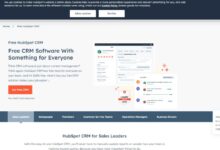
HubSpot combines CRM, marketing, and service tools in one platform. Its social inbox integrates with the broader customer database, enabling personalized follow-ups based on past interactions.
How to Build a Winning Social Media CRM Strategy
Having the right tools isn’t enough. A successful Social Media CRM strategy requires planning, alignment, and continuous optimization.
Setting Clear Goals and KPIs
Before launching your Social Media CRM initiative, define what success looks like. Common goals include:
- Reduce average response time to under 30 minutes
- Increase customer satisfaction (CSAT) scores by 20%
- Grow positive sentiment by 15% in six months
- Convert 10% of social inquiries into sales
Use KPIs like response rate, resolution time, engagement rate, and sentiment trend to measure progress.
Integrating Social CRM with Your Overall Customer Journey
Social Media CRM shouldn’t operate in a silo. It must be integrated with your sales, marketing, and support teams. For example, if a customer complains about a product on Twitter, the CRM should log it as a support ticket and notify the product team if it’s a recurring issue.
Map out the customer journey from awareness to advocacy, and identify touchpoints where social media plays a role. Use CRM data to personalize interactions at each stage—whether it’s a targeted ad, a follow-up message, or a loyalty offer.
Training Your Team for Social Excellence
Your people are the face of your brand on social media. Invest in training them on tone, compliance, crisis management, and platform-specific best practices.
Create a social media playbook that includes:
- Approved response templates
- Escalation procedures for sensitive issues
- Brand voice guidelines
- Emoji and hashtag usage rules
Regular role-playing exercises can help agents handle difficult situations with empathy and professionalism.
Real-World Examples of Social Media CRM Success
Some of the world’s most beloved brands have leveraged Social Media CRM to build trust, resolve issues, and create memorable experiences.
JetBlue: Turning Complaints into Customer Love
Airline JetBlue has long been a pioneer in social customer service. With a dedicated team monitoring Twitter 24/7, they respond to flight delays, booking issues, and baggage claims in real time.
In one famous case, a passenger tweeted that they were stranded due to a canceled flight. JetBlue not only rebooked them but also sent a care package with snacks and a handwritten note. The tweet went viral, generating massive positive publicity.
Amazon: Scaling Support with AI and Human Touch
While Amazon doesn’t engage on social media as publicly as some brands, its backend Social Media CRM system is highly sophisticated. It uses AI to detect customer frustration in reviews and messages, then triggers automated emails or discounts to挽回 satisfaction.
For high-value customers, Amazon escalates issues to human agents who can offer personalized solutions—proving that even at scale, empathy matters.
Starbucks: Building Community Through Social Engagement
Starbucks uses Social Media CRM to foster a sense of community. They respond to customer photos of their drinks, run user-generated content campaigns, and even crowdsource new product ideas via social polls.
During the holiday season, their #RedCupContest encourages customers to share creative photos of their cups. Winners get featured on Starbucks’ official page—turning customers into brand ambassadors.
Challenges and Pitfalls in Social Media CRM
Despite its benefits, Social Media CRM comes with risks. Missteps can damage reputation, violate privacy, or overwhelm teams.
Managing High Volume and Expectation Fatigue
Popular brands can receive thousands of mentions daily. Without proper tools, teams risk burnout or missed messages. Automation and triage systems are essential to prioritize urgent issues.
Set realistic expectations—don’t promise 24/7 support if you can’t deliver. Use auto-responders to acknowledge receipt and provide estimated response times.
Privacy and Data Security Concerns
Handling customer data on public platforms is risky. Never ask for sensitive information (like passwords or credit card numbers) in public replies. Always move sensitive conversations to direct messages or secure channels.
Ensure your Social Media CRM platform complies with GDPR, CCPA, and other data protection regulations. Encrypt stored data and limit access to authorized personnel.
Handling Negative Feedback and Crises
Not all social interactions are positive. A single angry customer can spark a viral backlash. Your Social Media CRM strategy must include a crisis management plan.
Steps to take:
- Monitor for spikes in negative sentiment
- Respond quickly with empathy, not defensiveness
- Take the conversation offline when appropriate
- Issue public apologies if warranted
Remember: how you handle a crisis often matters more than the crisis itself.
The Future of Social Media CRM: AI, Omnichannel, and Beyond
The next decade will bring even more innovation to Social Media CRM. Brands that stay ahead of the curve will dominate customer experience.
The Rise of AI and Predictive Analytics
AI will move beyond chatbots to predictive engagement. Imagine a system that detects a customer’s frustration before they even complain—based on typing speed, emoji use, or past behavior—and proactively offers help.
Predictive analytics can also identify at-risk customers and suggest retention offers, turning potential churn into loyalty.
Omnichannel Integration and Personalization
The future is seamless. Customers will expect the same level of service whether they’re on Instagram, WhatsApp, email, or phone. Social Media CRM will evolve into true omnichannel CRM, where context is preserved across all touchpoints.
For example, a customer who starts a chat on Facebook Messenger should be able to continue the conversation on the phone without repeating themselves—the CRM remembers the history.
Emerging Platforms and Voice-Activated CRM
As new platforms emerge—like TikTok, Discord, or voice assistants (Alexa, Siri)—Social Media CRM must adapt. Voice-activated CRM could allow customers to check order status or file support tickets using voice commands, integrated with their social profiles.
Brands that experiment early with these channels will gain first-mover advantage in building relationships in new digital spaces.
What is Social Media CRM?
Social Media CRM is the integration of social media interactions into a company’s customer relationship management system. It enables businesses to manage, analyze, and respond to customer inquiries, feedback, and mentions across platforms like Facebook, Twitter, and Instagram in a structured, data-driven way.
How does Social Media CRM improve customer service?
It allows companies to respond faster, personalize interactions, and resolve issues publicly or privately. By using tools with unified inboxes and automation, teams reduce response times and increase customer satisfaction.
Which platforms offer the best Social Media CRM tools?
Salesforce Service Cloud, Hootsuite, Sprinklr, Zendesk, and HubSpot are among the top platforms. The best choice depends on business size, budget, and specific needs like AI, analytics, or multi-channel support.
Can small businesses benefit from Social Media CRM?
Absolutely. Even with limited resources, small businesses can use affordable tools like HubSpot or Zendesk to manage social interactions, build loyalty, and compete with larger brands.
What are the risks of using Social Media CRM?
Risks include data privacy violations, poor response handling leading to PR issues, and team burnout from high message volume. Proper training, compliance, and automation can mitigate these risks.
Social Media CRM has transformed from a nice-to-have to a mission-critical function for modern businesses. By integrating social interactions into your CRM strategy, you’re not just answering questions—you’re building trust, driving loyalty, and creating brand advocates. The tools and strategies are available; what matters now is execution. Whether you’re a startup or a global enterprise, the time to master Social Media CRM is now.
Further Reading:
